

Why Does My Pets Gain Weight After Spaying?
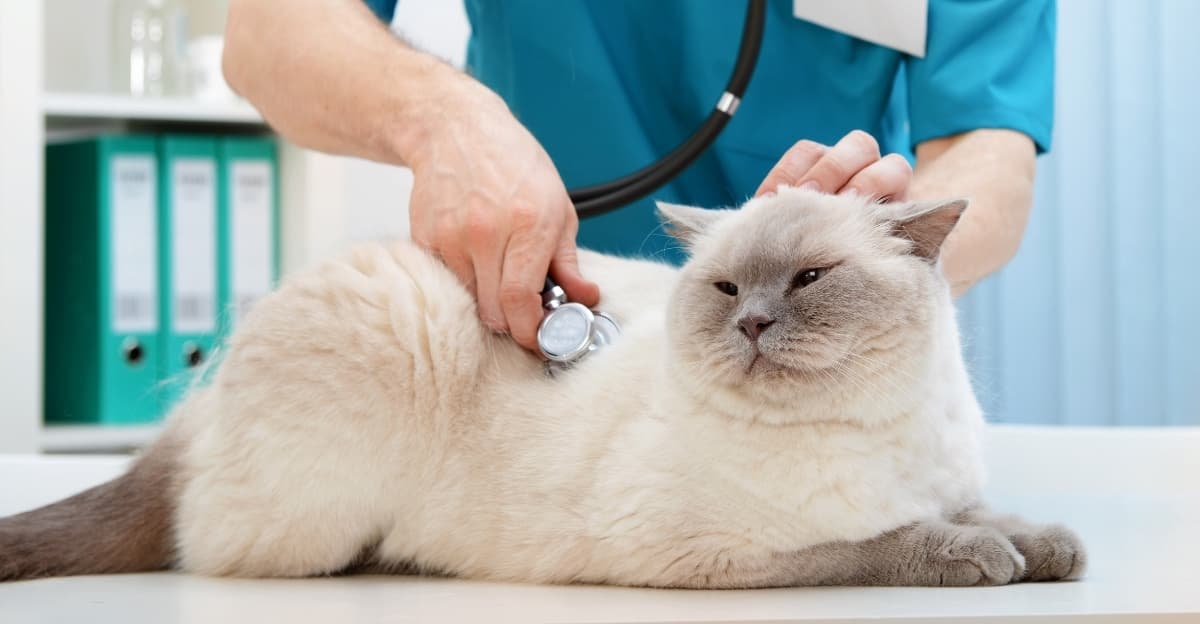
Why Does My Pets Gain Weight After Spaying?
Have you noticed your cat starting to gain weight after being spayed or neutered?
It can be surprising when your pet's eating habits haven't changed, yet their body condition slowly starts to change. While spaying or neutering itself doesn't directly make your pet "fat", the hormonal changes that follow can affect how much energy their body needs.
If their food intake stays the same while their energy needs decrease, those extra calories can gradually add up.
Here's why weight gain can happen after spaying or neutering — and what you can do about it.
Why Does My Pet Gain Weight After Spaying or Neutering?
After being spayed or neutered, your pet's energy needs may change. At the same time, their appetite and feeding routine may stay the same.
This can create an energy imbalance, where your pet takes in more calories than they use.
1. Their Metabolism May Slow Down
Hormonal changes after spaying or neutering can affect your pet's metabolism and energy requirements.
This means they may need fewer calories to maintain the same body weight as before.
2. Their Food Intake May Stay the Same
This is where things can easily add up.
If your pet continues eating the same amount of food as before, they may now be consuming more calories than their body needs.
Over time, those extra calories can be stored as body fat and lead to gradual weight gain.
3. Treats Can Add Extra Calories
It's easy to forget about treats when thinking about your pet's daily calorie intake.
A few treats throughout the day may not seem like much, but regular extras can add up — especially when your pet's calorie needs have decreased.
This doesn't mean you need to stop giving treats altogether. Instead, treats should be given in moderation and considered as part of your pet's overall daily calorie intake.
How Can You Help Manage Your Pet's Weight?
Weight gain after spaying or neutering doesn't have to be inevitable.
The key is to keep an eye on your pet's body condition and adjust their feeding routine when their energy needs change.
This may include reviewing their daily food portions, being mindful of treats and choosing a diet that is suitable for their current lifestyle and nutritional needs.
If you're unsure how much your pet should be eating, speak with your veterinarian for advice based on their age, size, activity level and overall health.
Keep Your Pet's Weight on Track
Spaying or neutering can bring changes to your pet's energy needs, but with the right feeding routine, you can help them maintain a healthy weight.
At Petico.my, you can find a range of food and nutrition options to support your pet at different stages of life and different nutritional needs.
👉 Shop Healthy Weight & Low Energy Food
In our next post, we'll look at simple feeding strategies that can help you manage your pet's weight after spaying or neutering. 🐱🐶