

Cats Straining to Pee? Wet Food vs Dry Food: The Urinary Health Case
Cats Straining to Pee? Wet Food vs Dry Food: The Urinary Health Case
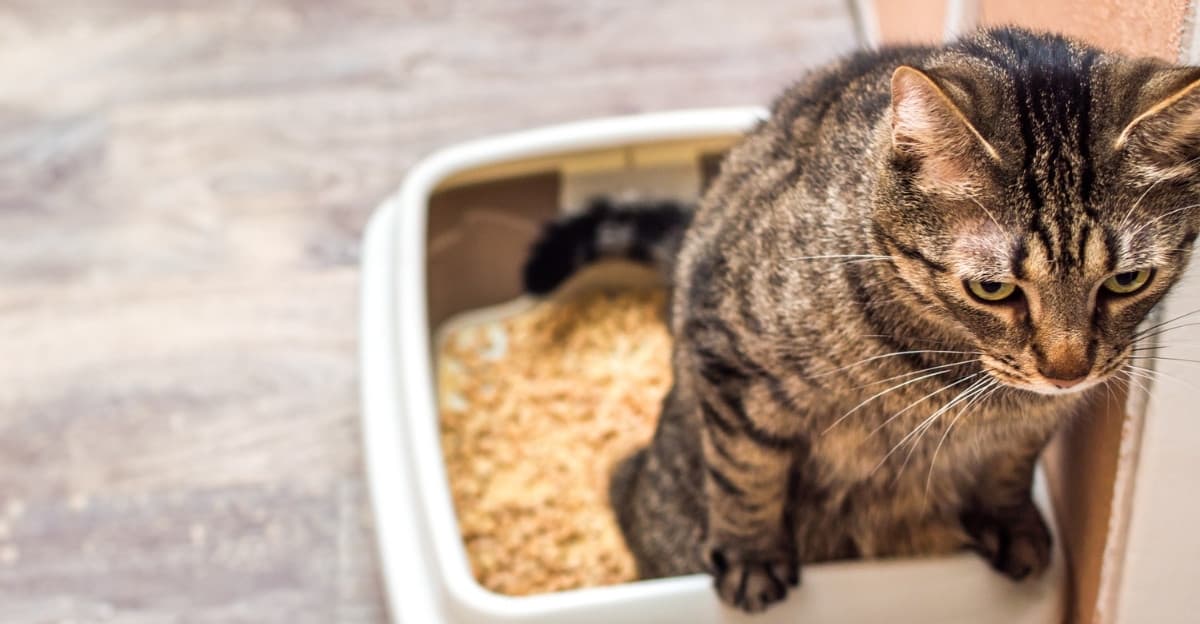
Have you noticed your cat making frequent trips to the litter box but producing very little urine? Perhaps your cat strains while trying to pee, or you notice blood in the urine.
These may seem like small changes, but they can be signs of urinary problems that need attention.
For cat parents, knowing what to look out for is an important first step in keeping your cats comfortable and healthy.
Common signs of urinary problems in cats include:
-
Frequent litter box visits: Your cat keeps going back to the litter box but passes only a small amount of urine.
-
Straining to urinate: Your cat squats for a long time, appears uncomfortable or cries while trying to pee.
-
Blood in the urine: You may notice pinkish urine or visible traces of blood.
If you notice these signs, do not ignore them. If your cat repeatedly tries to pee but produces little or no urine, seek immediate veterinary attention. A urinary blockage can be life-threatening, especially in male cats.
It's Not Always a UTI: Understanding the Root Cause
When a cat has trouble urinating, many owners immediately suspect a urinary tract infection (UTI). However, urinary problems in cats can have several causes.
1. Bladder Inflammation
Some cats develop inflammation of the bladder, known as cystitis. This can cause frequent urination, straining and discomfort. In many cats, the inflammation is not caused by a bacterial infection.
2. Urinary Crystals and Bladder Stones
Urine contains minerals that can sometimes form crystals or bladder stones. Depending on their type and size, these may irritate the bladder and contribute to urinary discomfort or blockage.
Factors such as urine concentration, mineral balance and urine chemistry can affect crystal and stone formation.
3. Low Water Intake
Water plays an important role in urinary health. Cats that take in less water may produce more concentrated urine, which can contribute to certain urinary problems.
Cats eating mainly dry food receive less moisture from their meals, so their drinking habits become especially important. Including wet food in the diet can help increase overall water intake.
However, low water intake is not the only cause of urinary problems, and changing food alone may not resolve an existing condition.
4. Stress and Environmental Changes
Stress can also play a role in urinary problems, particularly feline idiopathic cystitis (FIC), a condition involving bladder inflammation.
Changes at home, conflict with other pets or an uncomfortable litter box environment may contribute to stress in susceptible cats.
Understanding the possible cause is important because different urinary conditions may require different treatments.
How Can Diet Support Your Cat's Urinary Health?
While food cannot replace veterinary treatment, the right diet and adequate water intake can support your cat's overall urinary health.
Choose Food with Adequate Moisture
Wet cat food generally contains around 70–80% moisture, while dry kibble usually contains around 6–10%.
Adding wet food to your cat's daily feeding routine can help increase water intake through meals. You can choose pâté or gravy varieties depending on your cat's preferences.
Pay Attention to Mineral Balance
Magnesium, phosphorus and other minerals are essential nutrients, but their balance matters when managing certain urinary conditions.
If your cat has been diagnosed with urinary crystals or bladder stones, ask your veterinarian whether a specially formulated urinary diet is needed. Different types of crystals and stones may require different dietary approaches.
Encourage More Water Drinking
Make fresh water available throughout the day. Place water bowls in accessible locations and consider a pet water fountain if your cat prefers moving water.
You can also ask your veterinarian whether adding water to your cat's food is suitable, especially if your cat is already on a prescribed diet.
What Should You Do If Your Cat Shows Urinary Problems?
If your cat frequently visits the litter box, strains to urinate or has blood in the urine, contact your veterinarian promptly.
Seek emergency veterinary care if your cat cannot pass urine or repeatedly strains with little or no urine coming out. Do not wait to see whether the symptoms improve.
Avoid giving urinary supplements or changing to a urine-acidifying diet without veterinary advice. The right approach depends on the underlying condition.
Keep an Eye on Your Cat's Urinary Health with Petico.my
Frequent litter box visits, straining to pee and blood in the urine are signs worth paying attention to. Although these symptoms are not always caused by a UTI, identifying the root cause early can help your cat receive the right care.
Alongside veterinary guidance, providing adequate water, suitable nutrition and a comfortable litter box environment can help support your cat's daily wellbeing.
Explore Petico's Urinary Care & Support collection for suitable products to complement your cat's daily care routine.
Noticing the signs early can make a difference. Keep an eye on your cat's litter box habits and take action when something does not seem right.
This article is for general educational purposes only and does not replace veterinary advice, diagnosis or treatment.