

Why Indoor Cats on Dry Only Diets May Face Urinary Health Risks
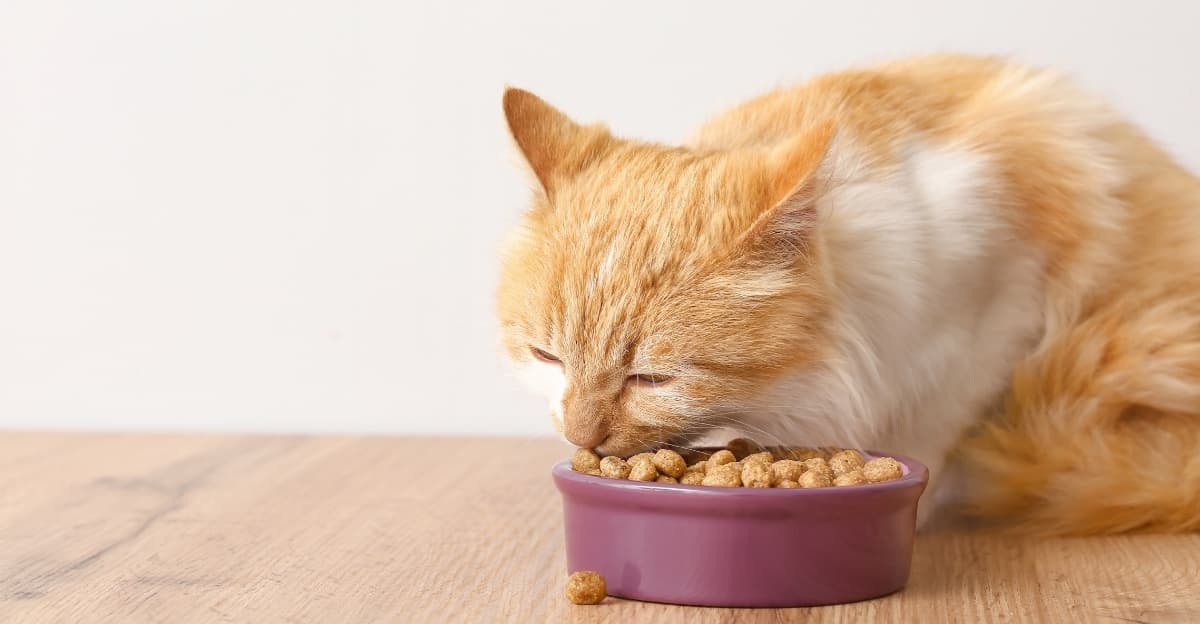
Why Indoor Cats on Dry Only Diets May Face Urinary Health Risks
Dry kibble is convenient, but it contains much less moisture than wet food. For indoor cats that eat mainly dry food, getting enough water throughout the day is an important part of supporting urinary health.
So, how can low water intake affect your cat's urinary system, and what can you do to help?
The Root Cause of Cat Urinary Issues
Cats that consume less water may produce more concentrated urine. Depending on the individual cat, this can contribute to certain urinary problems, including the formation of some types of urinary crystals.
Here is how hydration can play a role:
-
Dry-Only Diet: Dry kibble provides relatively little moisture compared with wet food.
-
Low Water Intake: Some cats may not drink enough water to make up for the moisture they do not get from food.
-
Concentrated Urine: Lower water intake can result in more concentrated urine, which may contribute to certain urinary conditions.
However, urinary problems can have several causes, including bladder inflammation, urinary crystals and bladder stones. Dry food alone does not automatically cause these conditions, and not all urinary problems can be prevented through hydration alone.
How to Encourage Water Intake for Your Cat
Simple changes to your cat's daily routine can help increase water intake and support urinary health.
-
Include Wet Food: Wet food contains more moisture than dry kibble and can help increase your cat's total daily water intake.
-
Try a Pet Water Fountain: Some cats prefer moving water, so a fountain may encourage them to drink more.
-
Place Multiple Water Bowls: Keep fresh water in several quiet, accessible areas around your home.
-
Choose Suitable Urinary Care Food: If your cat has urinary problems or a history of crystals, ask your veterinarian whether a specially formulated urinary diet is appropriate.
Explore Petico's Urinary Care & Support collection to find products relevant to your cat's urinary care needs.
Not Just a Little Pee: Know the Warning Signs
Frequent litter box visits, straining to urinate and blood in the urine can be signs of urinary problems. These symptoms are not always caused by a urinary tract infection (UTI), so identifying the underlying cause is important.
If you notice these signs, contact your veterinarian promptly.
Important: If your cat repeatedly tries to urinate but produces little or no urine, seek immediate veterinary attention. A urinary blockage can be life-threatening, especially in male cats.
Support Your Cat's Urinary Health with Petico.my
Adequate hydration and suitable nutrition are important parts of your cat's daily care. By paying attention to your cat's litter box habits and water intake, you can take action when something does not seem right.
Explore Petico's Urinary Care & Support collection for products to complement your cat's daily care routine.
This article is for general educational purposes only and does not replace veterinary advice, diagnosis or treatment.